No more dirty nails : A guide to soil-free gardening for nail lovers
Are you a hands-on gardener who loves to dive right into the earth without wearing gloves? 🌱🧤 Does the thought of dirt lingering under your nails for weeks make you cringe? Well, fear not, fellow soil enthusiasts! We’ve got you covered with some practical and plant-safe tips to keep that pesky soil from taking up residence beneath your nails. 🌿💅
- Lather up with Soap: Before you embark on your gardening adventure, grab a bar of soap and rub it underneath your nails. This creates a protective barrier that prevents soil from seeping in. Plus, it adds a fresh and clean scent to your gardening routine! 🧼✨
- Rock the Nail Brush: Keep a nail brush handy and give your nails a gentle scrub after gardening sessions. This helps to remove any lingering soil and keeps your nails looking neat and tidy. Embrace your inner nail artist!
- Embrace the Power of Gloves: While we understand that some of you prefer the tactile experience of direct contact with the soil, gloves can be your allies in the battle against stubborn dirt. If you prefer not to wear plastic gloves, opt for lightweight cotton gloves. They will protect your hands while allowing your skin to breathe. Make sure to wash them regularly to prevent the buildup of dirt. Opt for lightweight and breathable gloves that allow you to maintain that intimate connection with nature while providing a protective barrier for your nails. 🧤🌱
- Use an old toothbrush: Keep an old toothbrush handy in your garden and use it to gently brush your nails and hands after working in the soil. This will help remove dirt and debris.
- Apply a clear nail polish: Before starting your gardening session, apply a coat of clear nail polish to your nails. This will create a protective barrier that prevents dirt from getting under your nails.
- Use a small trowel or spoon: Instead of using your hands directly to plant or transplant, use a small trowel or spoon to handle the soil. This will prevent dirt from getting directly under your nails.
- Use tape: Wrap a piece of adhesive tape around your fingers, sticky side out. When working in the soil, the dirt will stick to the tape instead of ending up under your nails.
- Use tweezers: If you notice dirt trapped under your nails, use tweezers to gently remove it. Be careful not to hurt yourself or damage your nails in the process.
- Soak your hands in warm water: After finishing your gardening session, soak your hands in warm water for a few minutes. This will help loosen the soil and make it easier to remove from your nails.
Remember, gardening is all about getting your hands dirty and embracing the wonders of nature. But that doesn’t mean you have to deal with soil under your nails for weeks on end! By following these tips, you can have the best of both worlds – a fulfilling gardening experience and clean, presentable nails. 🌼💅
So, fellow gardening enthusiasts, let’s keep our nails looking fabulous while nurturing our green havens. Happy gardening, and may your nails be forever soil-free! 🌿✨💅
Comments (2)
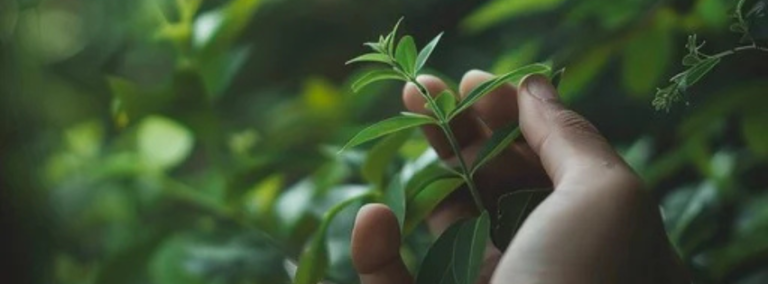
Is it possible that plants thrive better when they experience regular physical contact? Could the gentle brushing of leaves or even the vibrations from our voices enhance their growth and health? Let’s explore the science behind plant sensitivity and whether our interactions can truly make a difference in their development.
I think we should completely test this out to see whether plants grow differently when we touch them gently with our hands versus leaving them untouched. Plants are living organisms that respond strongly to frequencies, vibrations, and environmental signals. They may not “feel” emotions like humans do, but they can sense changes around them like vibrations from birds singing that help signal the start of the day. I believe gentle brushing or interaction could definitely help some plants grow stronger or healthier, although I’d want to research the science more deeply before making a final conclusion. Studies already show that touch and movement can affect plant development, so there may be more to discover about how our interactions influence them.
Leave a comment