Do Plants Like Physical Contact? The Surprising Truth Behind Touch and Plant Growth
Where Science Meets Sentiment
We sing to them, talk to them, and sometimes even pet their leaves — but do plants actually like that? The idea that plants thrive on touch and affection is widespread, but is it based in science or just a sweet myth?
The Touchy Subject: Do Plants Like Being Touched?
Too Much Touch Can Stress Plants Out
Contrary to what many believe, most plants don’t actually enjoy being touched regularly. Research from La Trobe University shows that even a gentle touch can trigger a stress response in many plant species. In fact, just 30 minutes of contact can change how a plant grows, potentially stunting its development or altering leaf growth.
👉 Source: Science Daily
But Some Plants Like a Little Interaction
Certain plants, like Mimosa pudica (the “sensitive plant”), Venus flytraps, and climbing plants, respond positively to environmental stimuli as part of their natural behavior. Touch can help them adapt, but this doesn’t mean all plants enjoy it — and it’s not a reason to over-handle your leafy friends.
👉 Source: Olle Gardens
Houseplants Touching Each Other: Good or Bad?
Plants rubbing against each other due to overcrowding can trigger similar stress signals, reducing airflow and potentially leading to fungal problems. Give them space!
👉 Source: Braid & Wood
Which Plants Like Being Touched — And Which Don’t?
When you’re tending to your garden, it’s tempting to brush your hands over your plants as a sign of affection or curiosity. But not all plants appreciate that gesture.
Plants That Tolerate or Respond Well to Touch
Some plants have naturally evolved to handle physical interaction — either from wind, animals, or human contact:
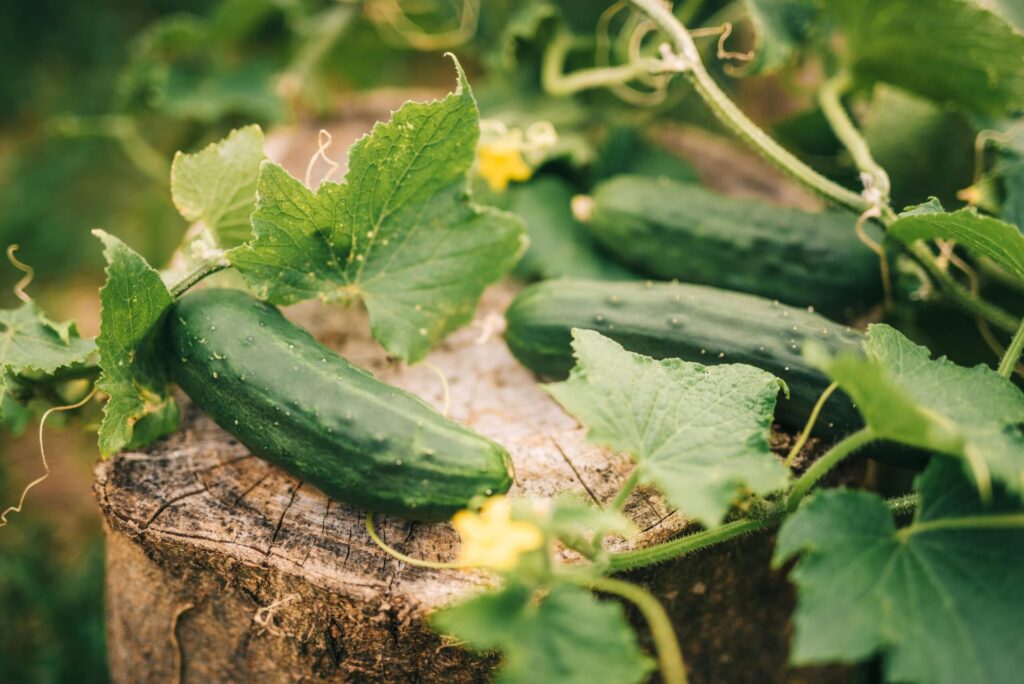
- Climbing plants like peas, cucumbers, and morning glories: These use tendrils to grab onto supports. A bit of gentle contact encourages directional growth.
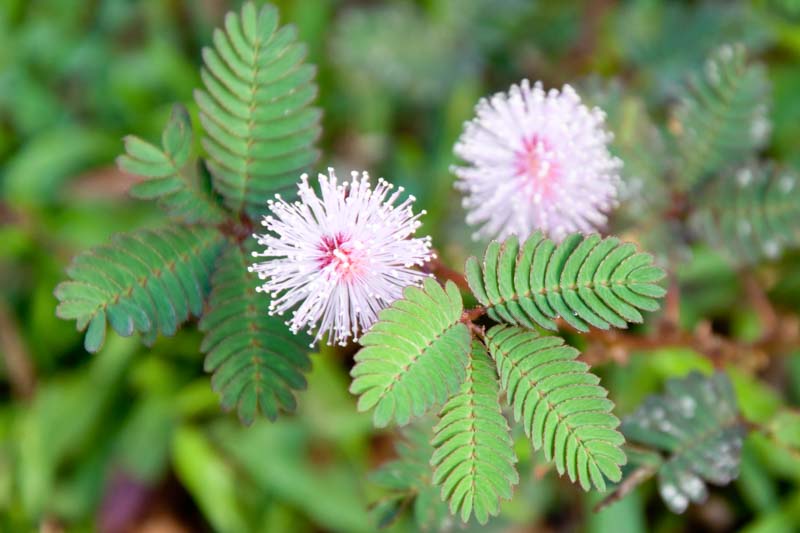
- Mimosa pudica (sensitive plant): This one famously folds its leaves when touched. It’s not a vegetable, but it’s a great example of a touch-sensitive species.
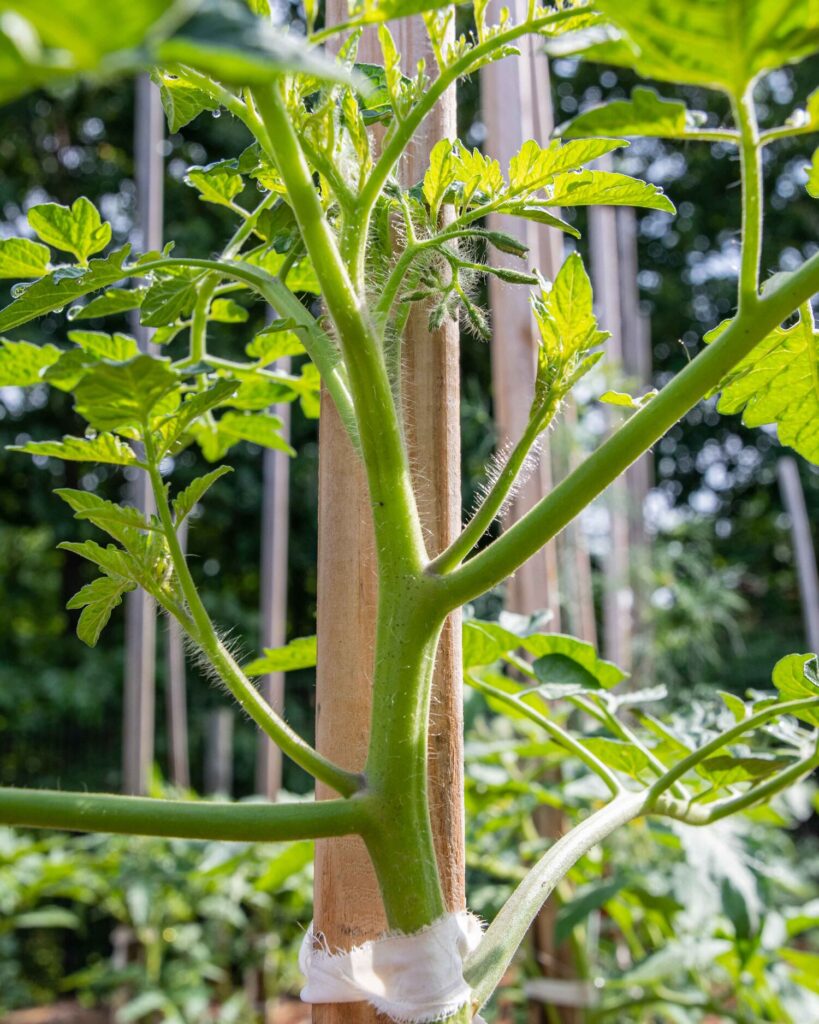
- Tomatoes (to an extent): In greenhouses, some growers simulate wind or gently brush tomato plants to help strengthen their stems — but it’s done with purpose and moderation.
Plants That Dislike Touch
These are the ones you’ll want to leave alone unless you’re pruning or harvesting:
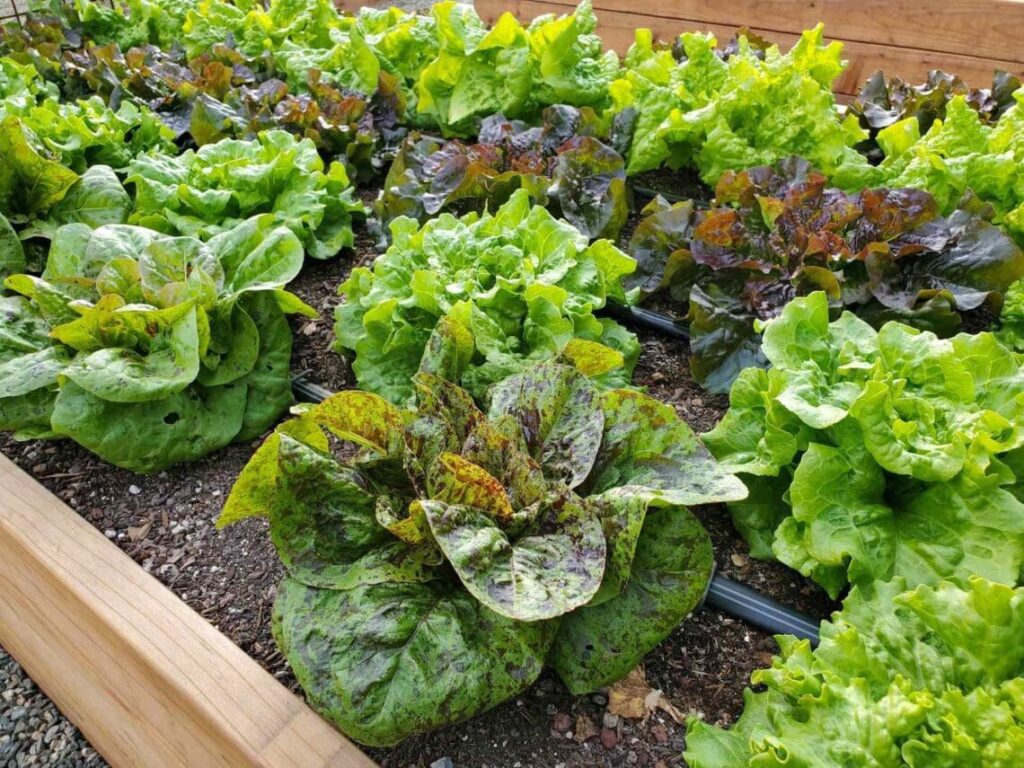
- Lettuce and spinach: These leafy greens are delicate and prone to bruising or leaf damage from frequent contact.
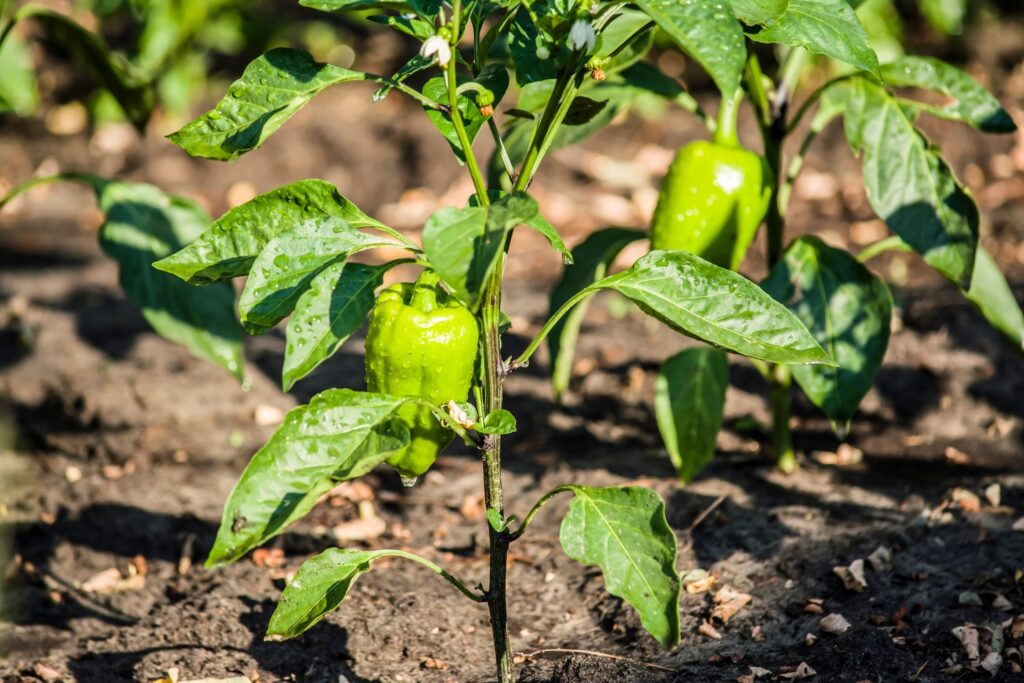
- Peppers and eggplants: The leaves and stems are more sensitive than they look. Too much handling can stress the plant and attract pests to damaged areas.
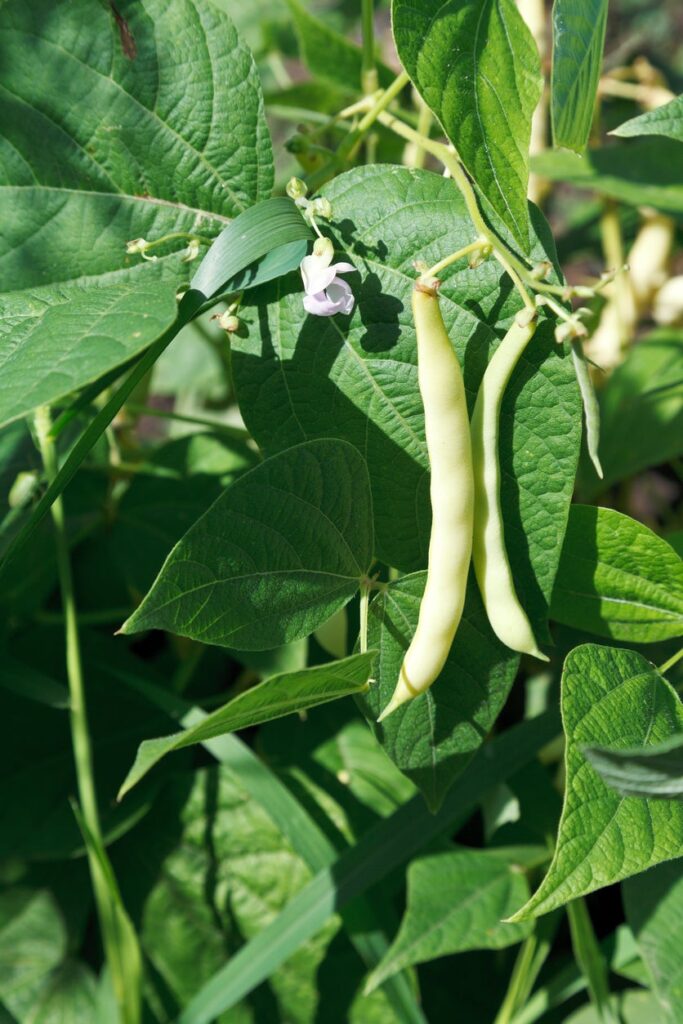
- Beans: Frequent brushing can disrupt their flowers and pods, affecting yield.
⚠️ Rule of Thumb
If the plant has large, thin leaves or a delicate flower structure, it’s probably best to avoid touching it unnecessarily. But vining or climbing plants usually tolerate touch better — just be gentle!
Why Some Plants Like to Be Touched (and Why Most Don’t)
While most plants prefer a hands-off relationship, there are times when a gentle touch is not only acceptable — it’s beneficial. Still, overhandling can do more harm than good. Here’s a breakdown of when to touch and when to keep your distance.
When Touching Is Helpful
🧼 Cleaning the Leaves
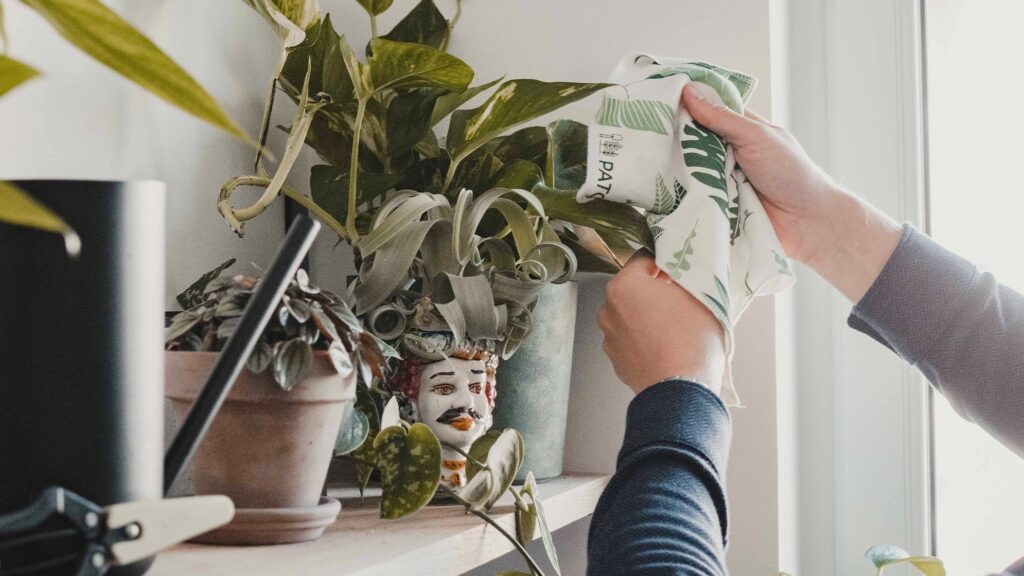
Dust buildup blocks sunlight and reduces a plant’s ability to photosynthesize. Gently wiping leaves with a soft cloth or damp paper towel helps your plant “breathe” and absorb light more effectively. Just be delicate and avoid vigorous rubbing.
✂️ Pruning with Care
Pruning can stress a plant short-term, but it’s often necessary to promote healthy growth and remove dead or diseased parts. To minimize harm:
- Prune during the active growing season (spring/summer).
- Use clean, sharp tools.
- Don’t overdo it — less is more.
When Touching Can Harm Your Plant
🌞 Damaging Protective Coatings
Plants like succulents often have a natural powdery coating (called farina) that protects them from sunburn and pests. Once rubbed off, it doesn’t grow back — making the plant more vulnerable to damage. Always handle these with extra care or avoid touching altogether.
⚡ Draining Energy Reserves
Plants like the Venus flytrap or Mimosa pudica react to touch by closing or folding their leaves. While fascinating, this movement costs energy. Repeated touching weakens the plant, especially for carnivorous species that need that energy to catch prey.
🍃 Delicate or Sensitive Foliage
Ferns like Maidenhair have ultra-fragile leaves that can be easily damaged by the oils and salts on your skin. Even a soft graze can lead to browning or stunted growth. It’s best to admire these beauties from a distance.
💡 Pro tip: If you’re not cleaning, pruning, or repotting, it’s usually best to keep your hands to yourself — your plant will thank you!
How Do Plants “Feel”? The Science Behind Plant Perception
Plants don’t have brains, but they perceive their surroundings through mechanoreceptors, responding to touch, sound, light, and even gravity. They can even distinguish between different types of touch — such as the difference between rain, an insect, or a human finger.
👉 Source: Science Alert
Touch triggers electrical and chemical changes, which help the plant prepare for threats. In the wild, this is useful. In your living room, it could just be a source of stress.
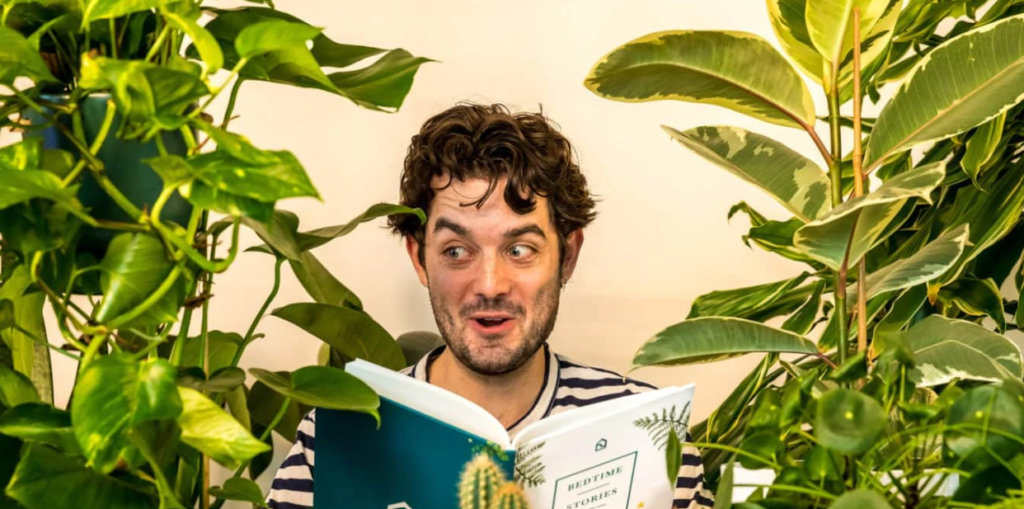
Talking to Your Plants: Myth or Miracle?
The Vibe Science: Can Words Affect Growth?
There’s growing evidence that sound vibrations — including your voice — might have some effect on plant growth. While scientific consensus is still mixed, studies suggest certain sound frequencies may stimulate growth-related hormones or stress responses.
It’s not so much what you say, but how gently and frequently you interact with your plant that might matter.
👉 Source: Yarden Blog
👉 Source: MyPlantIn
“I Love You” : Does Saying It Make a Difference?
This myth stems from the belief that expressing love can create a positive atmosphere for plants to thrive. While there’s no direct proof that love words boost chlorophyll, your care habits often improve when you feel emotionally attached. Better watering, better lighting, and more attention — all of which do help.
👉 In short: loving your plant helps you be a better plant parent, which helps your plant!
🧬 Science-Backed Facts & Quotes About Plant Touch Sensitivity
📊 Key Statistics:
- Within just 30 minutes of being touched, up to 10% of a plant’s genome is altered as part of a genetic defense response.
- If touching is repeated, plant growth can be reduced by up to 30% due to energy being diverted away from development and into defense.
Expert Quotes:
“The lightest touch from a human, animal, insect, or even plants touching each other in the wind, triggers a huge gene response in the plant.”
— Professor Jim Whelan, Research Director at La Trobe Institute for Agriculture and Food
“This involves a huge expenditure of energy which is taken away from plant growth.”
— Professor Jim Whelan
“We know that when an insect lands on a plant, genes are activated preparing the plant to defend itself against being eaten… However, insects are also beneficial, so how do plants distinguish between friend and foe?”
— Dr. Yan Wang, Co-author and researcher at La Trobe
“For optimal growth, the density of planting can be matched with resource input.”
— Dr. Yan Wang
“As we don’t understand why plants display such a strong defence response to touch, if we are to breed less touch-sensitive varieties, we need to first understand what some of the consequences might be.”
— Professor Jim Whelan
What’s the Verdict?
- No, most plants don’t like to be touched often — it can stress them out.
- Yes, some plants do benefit from occasional, natural stimuli.
- Yes, talking or showing affection can indirectly boost growth by making you more attentive and consistent.
So, the next time you tell your Monstera you love her — keep doing it. Just maybe skip the daily cuddles.
Leave a comment